
What making it simple for your customer looks like
Most local businesses lose sales they already earned — in the gap between interested and booked. Here's how to cut the friction and stop the leak.
What making it simple for your customer looks like
Most local businesses lose sales they have already earned.
Not to a competitor with a better product. Not to a lower price. They lose them in the gap between interested and booked.
- the forms
- the back-and-forth
- the pitch that runs twenty minutes too long.
Every extra step is a place for a good lead to quietly leave.
Making it simple for your customer is one of the highest-leverage things you can do, because it doesn't cost more ad spend and it doesn't require a bigger audience. You just stop leaking the demand you already have.
Here's what that looks like in practice.
Reduce the steps to booking
Count them yourself and see.
Every click, field, and reply it takes for someone to go from interested to booked.
Do whatever you can to cut the count in half.
A customer who has to fill out a form, wait for a callback, get a quote, and then book is a customer with four chances to change their mind. One who can pick a time and confirm has none.
The business that wins isn't always the best one; it's the easiest one to say yes to.
Make it harder on yourself before you make it harder on them
Simple for the customer usually means more work for you.
That's the trade, and it's a good and fair one.
Instant booking means you manage a calendar instead of a phone tag. Upfront pricing means you do the thinking before the customer asks instead of after when they realize it’s out of their price range.
Every bit of friction you remove from their side lands on yours. Take it. You're the one who's paid to do the work; they're the one deciding whether to pay you or someone easier to work with.
Cut your pitch in half
If you have a 90-minute sales pitch, make it an hour. If you have an hour, make it 20 minutes.
Nobody buys because you talked longer. A tight pitch respects the customer's time and forces you to lead with what actually closes. Everything you cut was probably slowing the yes. Length feels thorough to you and feels like a chore to them.
Stop hiding your free consult
If you offer a free consultation, don't bury it behind a paywall, a lead-capture form, and three days of email tag.
The free thing is supposed to lower the barrier. When you gate it, you rebuild the exact wall you were trying to remove.
Let people book the consult directly. Yes, you'll talk to some folks who don't convert, but you'll also talk to the ones who would have given up before ever reaching you.
Accept a little more spam
An open, low-friction path means more junk gets through. A few spam inquiries. A few tire-kickers. Some lower-quality leads.
That's the cost, and it's cheaper than it feels.
First, you learn something about your funnel even from the spam. This helps you to refine over time.
Second, every filter you add to keep the bad leads out also keeps good ones from getting in, and the good ones are worth far more than the spam costs you. Take the messier inbox in exchange for more real shots on goal.
Give away more than your competitors charge for
The fastest way to earn trust is to be useful before anyone pays you.
Give away the advice, the checklist, the quick audit, and the honest answer your competitors put behind a fee. When you're the one who helped before there was a transaction, you're the one they call when there is. Generosity up front is the cheapest marketing you'll ever run.
The takeaway
You don't need more leads as badly as you think. You need to stop losing the ones you've already got.
Look at your path from interested to paid and find the friction. Cut steps, shorten the pitch, open the door, and give more away.
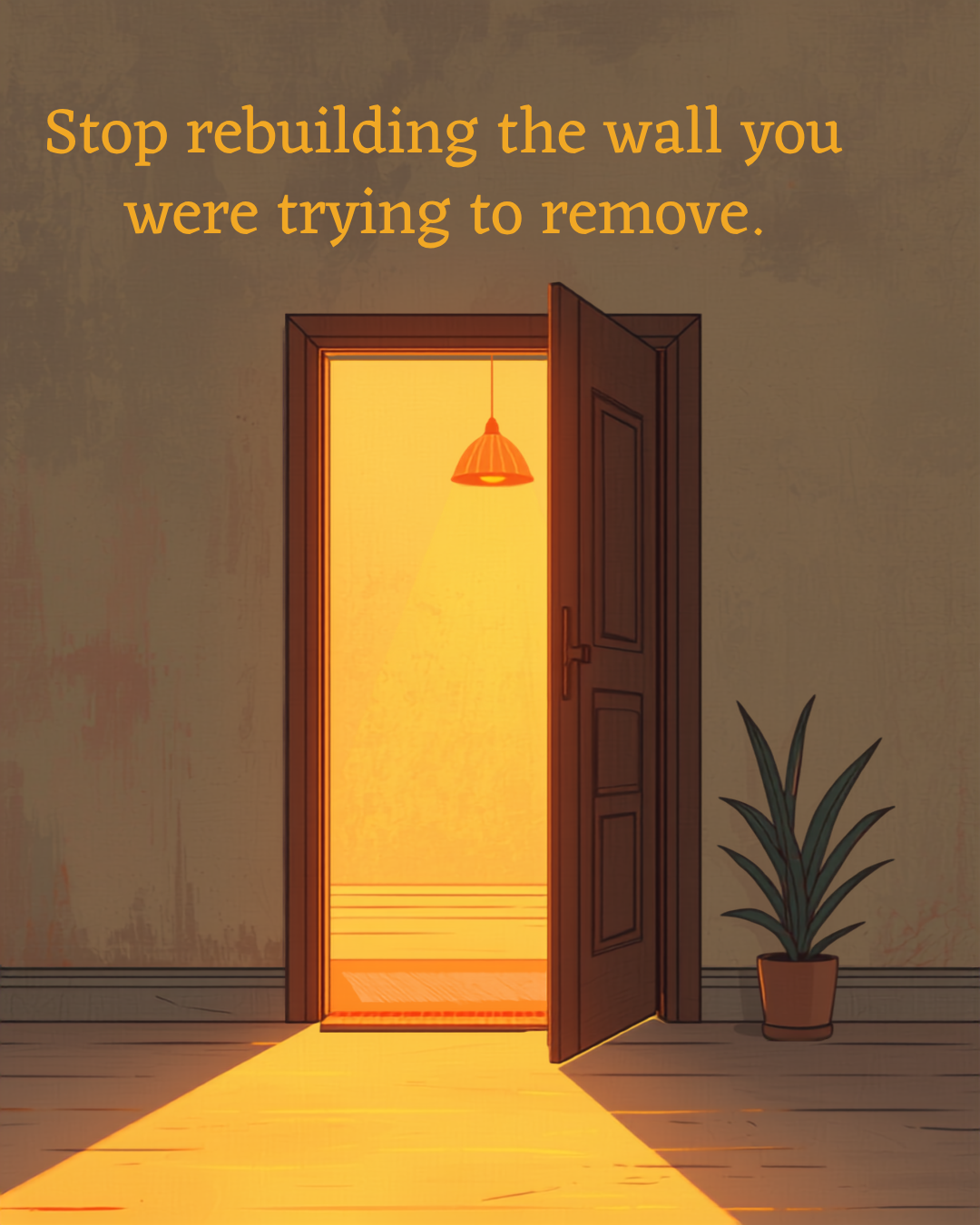
Make it easy to say yes and more people will.
Are your clients frustrated with a complicated system? I'm happy to take a look at your business and provide insights on what you can improve.